
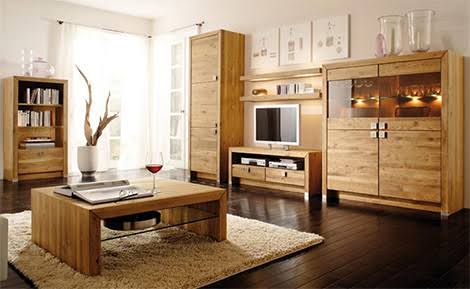
There are countless furniture designs, materials, and comfort levels available today, making it easier than ever to find pieces that suit modern homes. In India, solid wood furniture has traditionally held the upper hand, as it is culturally considered auspicious, long-lasting, durable, and sturdy. Premium hardwood furniture made from teak, sheesham, or sal wood has been a preferred choice for generations due to its strength and timeless appeal.
However, times are changing. With the rise of environment-conscious homeowners, many buyers are now carefully evaluating the difference between engineered wood? and solid wood furniture. Factors such as eco-friendliness, sustainability, affordability, and modern furniture design have brought engineered wood furniture into the spotlight. Its cost-effective pricing, uniform finish, and suitability for modular furniture often tip the scale in its favour.
This shift has created a growing need to clearly understand the comparison of engineered wood vs solid wood furniture and determine which is better for your home. The right choice depends on multiple aspects such as budget, durability, maintenance, interior style, and long-term value. To decide what works best for your space, it is essential to weigh the pros and cons of solid wood and engineered wood furniture carefully.
What is Solid Wood ?

Solid wood furniture is crafted from naturally sourced timber obtained from mature, felled trees, making it one of the most durable and long-lasting furniture materials. In India, the solid wood furniture market holds a strong presence due to its superior strength, rich grain patterns, and timeless appeal. Skilled artisans often use large solid wooden blocks to carve intricate shapes, enabling the creation of luxurious handcrafted furniture with bold curves, elegant curlicues, and detailed arches.
Indian solid wood furniture is especially admired for its vintage furniture designs, traditional craftsmanship, and heritage-inspired aesthetics. From hand-carved wooden furniture to custom-made solid wood furniture, these pieces blend functionality with artistry. Popular choices like Sheesham wood furniture, Teak wood furniture, and solid hardwood furniture are known for their natural finish, sustainability, and high durability.
This growing demand for eco-friendly furniture, premium wooden furniture, and handcrafted solid wood designs makes India a global hub for authentic, long-lasting, and aesthetically rich furniture that enhances both modern and classic interiors.
Types of Solid Woods Used in India?
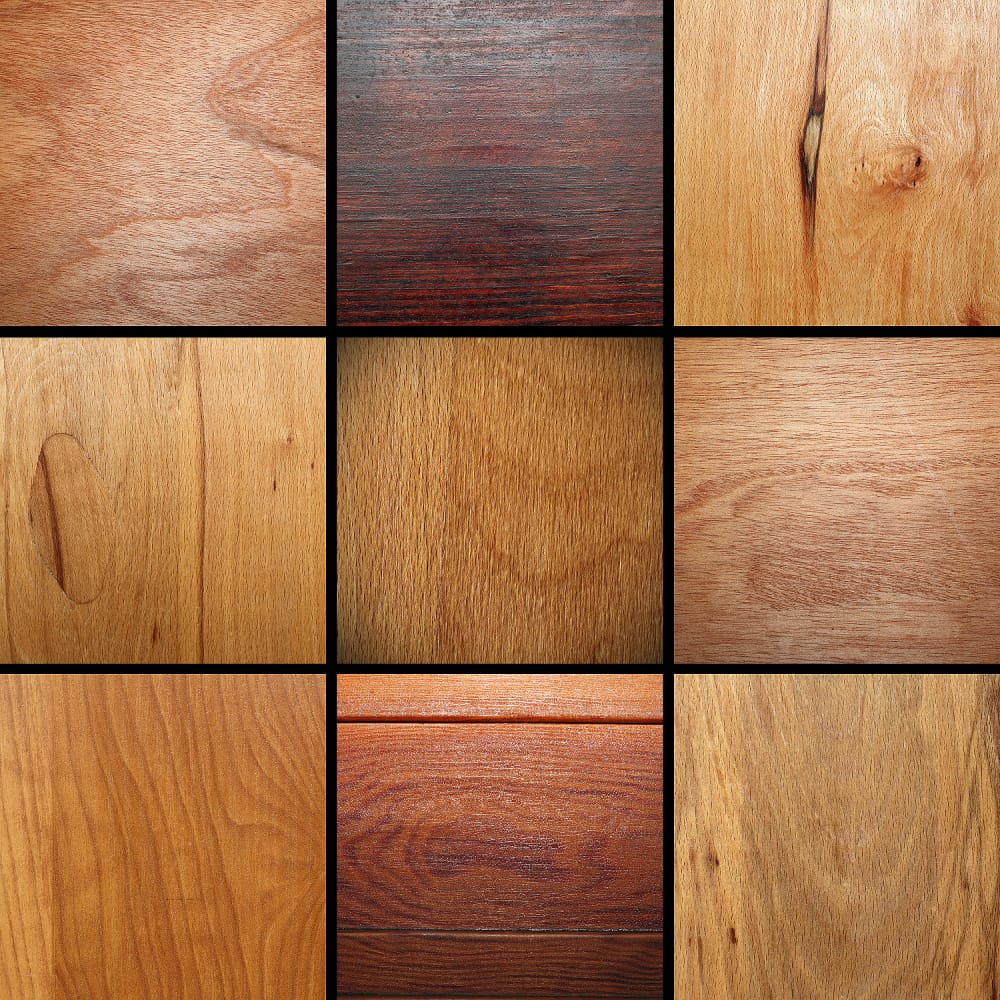
Some of the most popular types of solid wood used in furniture in India include teak wood, Indian rosewood (Sheesham), cedarwood, sal wood, rubberwood, and satinwood. Along with these premium hardwoods, many Indian furniture manufacturers also craft eco-friendly furniture using locally sourced woods such as jackfruit wood and mango wood, which are known for their durability and sustainable appeal.
When comparing engineered wood vs solid wood furniture, one of the biggest advantages of natural solid wood furniture is its rich texture, natural grains, and timeless aesthetic. The unique wood grain patterns, strength, longevity, and ability to age beautifully make solid wood furniture in India a preferred choice for luxury furniture, handcrafted furniture, and long-lasting home décor.
Engineered Wood
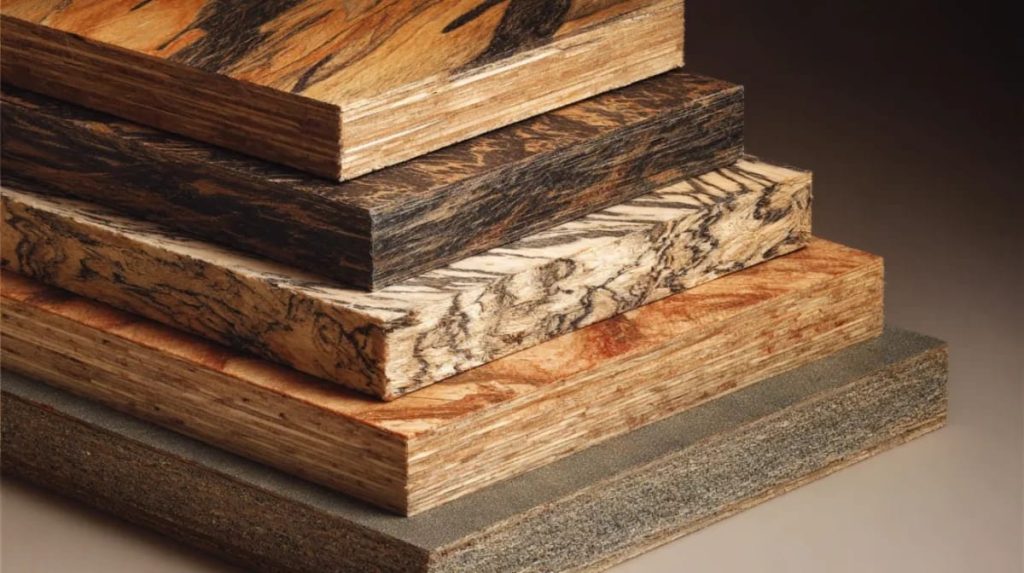
As time progressed, the cost of manufacturing solid wood furniture increased significantly due to rising raw material prices and limited availability of natural timber. At the same time, growing awareness about deforestation, forest conservation, and sustainable living encouraged homeowners to seek smarter and eco-friendly alternatives. This led to the development of engineered wood, a versatile material created by bonding wood shavings, wood particles, veneers, and fiber sheets with high-strength resins and adhesives under controlled conditions. Today, engineered wood furniture is rapidly gaining popularity in the Indian furniture market for its cost-effective pricing, durability, uniform finish, termite resistance, and eco-conscious nature. With benefits like minimal wood wastage, modern designs, moisture resistance, and suitability for modular furniture and interiors, engineered wood has become a preferred choice for budget-friendly, sustainable, and stylish home furniture solutions.
Types of Engineered Woods Used in India?
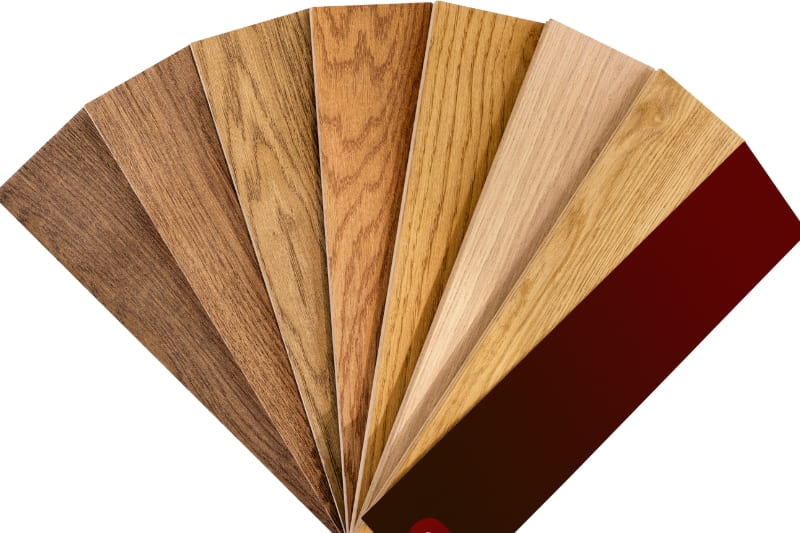
One of the most widely used engineered wood materials in interior design is plywood. While many people try to differentiate between engineered wood and plywood, plywood is actually a core category of engineered wood products. Apart from plywood, there are several other popular engineered wood types such as high-density fibreboard (HDF), medium-density fibreboard (MDF), and particle board, each offering unique performance benefits. These engineered wood boards vary in terms of strength, durability, moisture resistance, load-bearing capacity, finish quality, and cost, making them suitable for different interior design applications like modular furniture, kitchen cabinets, wardrobes, wall panels, doors, and office interiors. Understanding the advantages, limitations, and best uses of plywood, MDF, HDF, and particle board helps homeowners and designers choose the right material for long-lasting and stylish interiors. To explore a detailed comparison and make an informed choice, read this complete guide to engineered wood for modern interior design and furniture.
What Are the Perks and Drawbacks of Engineered Wood?
Perks of Engineered Wood Furniture
Engineered wood is a cost-effective and budget-friendly furniture material, making it an ideal choice for modern homes, rental spaces, and affordable interior design projects. Since it is manufactured using recycled wood particles, wood fibers, and wood residues, engineered wood is considered an eco-friendly and sustainable furniture option that helps reduce deforestation.
Compared to solid wood, material wastage is minimal during the production of engineered wood, making it a resource-efficient and environmentally responsible choice. Engineered-wood furniture is also highly resistant to water, humidity, and moisture, which makes it suitable for kitchens, wardrobes, modular furniture, and high-humidity areas.
Additionally, the resin-based adhesive used in engineered wood offers excellent termite and pest resistance, increasing the durability and lifespan of furniture. Another major advantage is that engineered-wood furniture is lightweight yet strong, allowing for easy installation, relocation, and maintenance, making it perfect for modern apartments and modular interior designs.
Cons of Engineered Wood Furniture
One of the major disadvantages of engineered wood furniture is that continuous exposure to direct sunlight and heat can cause surface fading, warping, or peeling of laminates and veneers, especially in low-quality finishes. Unlike solid wood, engineered wood is difficult to repair, refinish, or restore, and in many cases, damaged furniture needs complete replacement, increasing long-term costs.
Engineered-wood furniture also requires careful handling and regular maintenance, as it is more prone to scratches, edge chipping, and surface dents, particularly in high-traffic areas. Low-density engineered wood materials such as particle board and low-grade MDF lack structural strength and can crack, swell, or break easily under heavy load or impact.
Another limitation is the restricted variety of engineered wood types, textures, and natural grain patterns when compared to solid wood furniture, which may limit customization options. Additionally, some engineered wood products use chemical resins and adhesives that may release volatile organic compounds (VOCs), making them less ideal for health-conscious homeowners unless low-VOC or E0/E1-grade boards are used.
Perks of Solid Wood Furniture
Solid wood is a timeless and premium furniture material known for its classic appeal, natural strength, and handcrafted designs. It is easy to carve, shape, and customize, making it ideal for traditional, vintage, and luxury furniture designs. Solid wood furniture is available in a wide range of wood types, natural colours, textures, and finishes, including popular options like teak wood, sheesham wood, oak, mango wood, sal wood, and rosewood.
One of the biggest advantages of solid wood is its exceptional durability and structural strength, which ensures that solid-wood furniture lasts for decades when properly maintained. Minor damage caused by sunlight exposure, scratches, or surface wear can be easily repaired by sanding, polishing, or refinishing, helping restore its original beauty.
Solid wood is also admired for its distinct natural grains, veins, and rich wood patterns, which add a luxurious and organic aesthetic to interiors. Additionally, solid-wood furniture is easy to maintain, requires minimal day-to-day care, and becomes more valuable over time, making it a long-term investment for homeowners.
Cons of Solid Wood Furniture
One of the main disadvantages of solid wood furniture is its higher cost, as prices vary depending on wood type, quality, craftsmanship, and sourcing, making it less budget-friendly compared to engineered wood furniture. From an environmental standpoint, solid wood is not always considered eco-friendly, as it involves cutting down natural trees, unless sourced from certified or sustainable forests.
Solid wood is also sensitive to moisture, temperature changes, and humidity, which can lead to expansion, contraction, or cracking, especially in areas with extreme weather conditions. Over time, solid wood furniture may become vulnerable to termite and pest infestation if not treated with anti-termite solutions or protective coatings.
Another limitation is that solid-wood furniture is heavy and bulky, making it difficult to move, transport, or rearrange, especially in modern apartments. Additionally, it often requires professional handling during installation, adding to the overall cost.